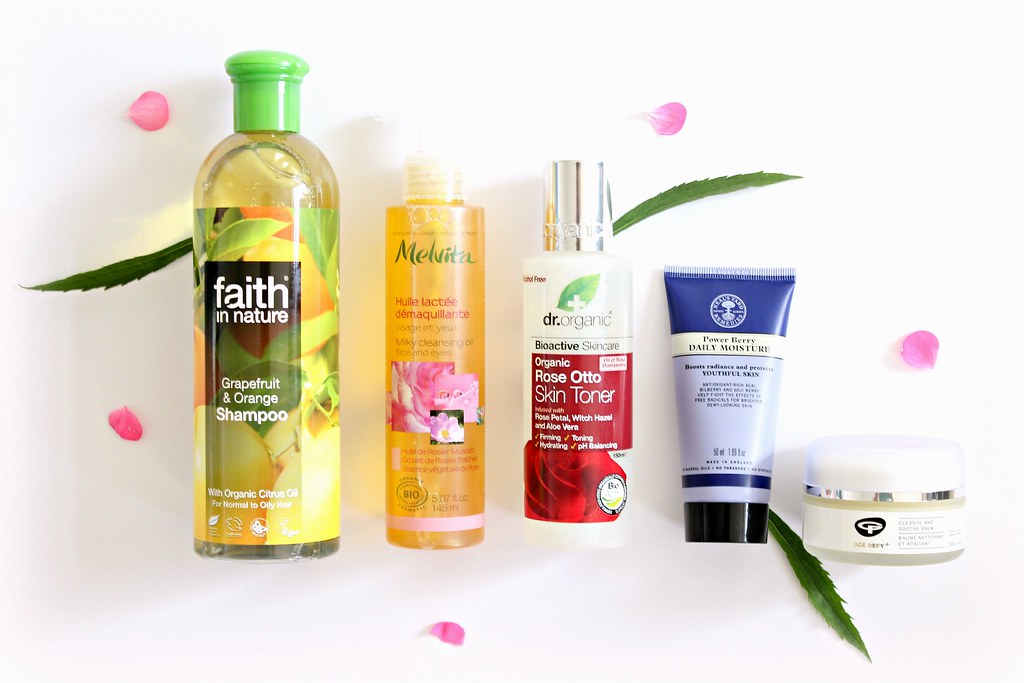
As you may be already aware September is Organic Month whereby this is a time where we can celebrate and indeed promote all things organic. Organic products don’t just refer to some of the things we eat at our table as food, clothing and of course beauty products can all fit within this category.
I’m in no way shape or form an expert when it comes to organic products as in all honesty I’m a bit fifty fifty when it comes to shopping for new beauty products as it isn’t something I automatically look for. That’s not to say I don’t look for them as I have increasingly become more interested in what is on offer to us, I’ve also noticed that there are more organic brands around than I was aware of which makes shopping for organic beauty much more interesting.
Not all companies that claim to offer organic products are certified by official bodies such as the Soil Association and EcoCert however from what I can tell this doesn’t mean that they’re not organic; they’re just not officially certified. Overall I think that in those situations it is generally down to the consumer if they want to buy it or not, having said that it is nice to have the confidence that accreditation with those bodies provides. Independent certification from these bodies helps to provide confidence to customers so that they know that the products that they are purchasing are made with high levels of organic ingredients that are free from synthetic ingredients that are strictly prohibited within certified organic products.
Unfortunately there are companies which can label their products organic even if they have used as little as 1% organic ingredients, so this is something to bear in mind if indeed you are wanting to be more select in your beauty purchases. The reason they can do is that there are currently no legal standards set in motion which determine whether a product is organic or contains enough organic ingredients to be able to be marketed as so.
Due to this the Cosmetics Organic Standard (COSMOS) has been set up which is internationally recognised for setting a standard for organic and natural cosmetics. Digging around for this information had me slightly confused at one point however in a nut shell there are two types of beauty product, those being products that contain over 95% organic ingredients and those that contain 70-95%. A product can only be called organic within the product name if it contains 95% or more organic ingredients of which water is excluded. Of course there are products out there that require higher quantities of preservatives which do reduce the organic content within a product. In that case if a product contains at least 70% organic ingredients where water once again is excluded then they will be certified however they are not allowed to use organic within the product name and must also state the percentage of organic ingredients used.
Choosing organic products therefore can be a bit tricky and does somewhat remind me of my hunt for cruelty free options two years ago. My personal view of both of those matters really boils down to how you as an individual interpret organic and indeed cruelty free, they are subjects to read around and then decide for yourself.
Useful sites are mentioned above whereby there is considerably more in depth information that is explained much better than I could ever do. To me this is an extremely interesting topic to research considering what my educational background is therefore I hope you enjoyed it and learnt a little more about organic products.


